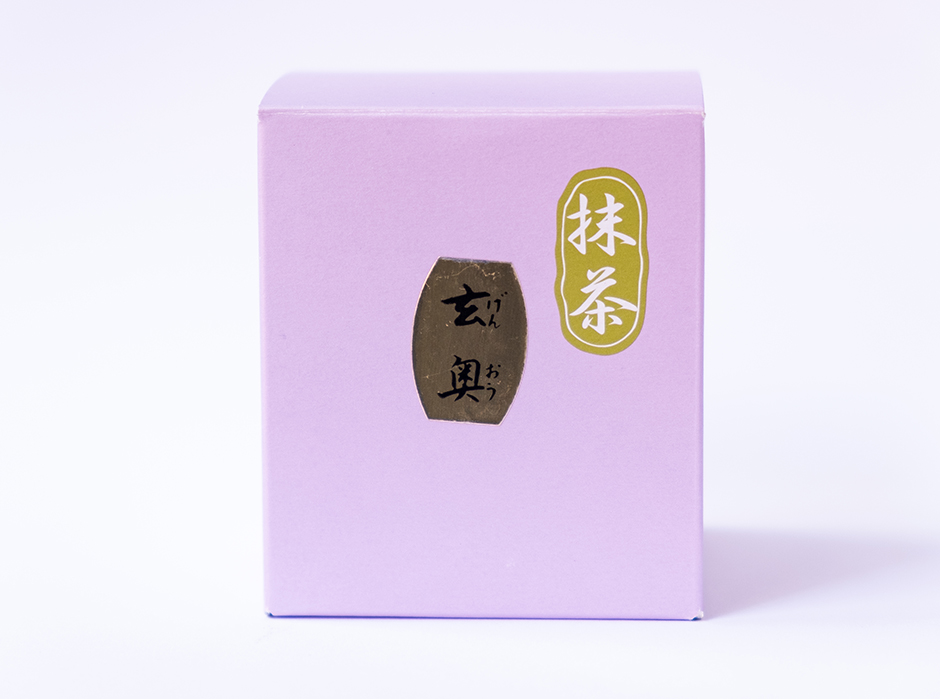
Uji Matcha Gen-O
country of origin Japan
Chcete pomoci s objednávkou?
+420 777 052 974
Ceremonial matcha
A wonderful matcha from the town of Ujitawara near the famous Uji in the Japanese province of Kyoto. It is a masterful blend of tencha teas from the Asahi, Goko, and Saemidori cultivars, the three most prized and expensive cultivars for producing bright green ceremonial matcha. The leaves were hand-picked, gently processed using traditional methods, and then very slowly ground on stone mills. Uji Matcha Gen-O is suitable for preparing both thick Koicha matcha and light Usucha matcha.
A rich, structured, beautifully balanced, and intensely aromatic matcha with a beautifully layered texture and an incredibly long umami aftertaste. Fresh, attractive, and complex.
Each tin contains 30 grams and is hermetically sealed. Best consumed within 1 month of opening. Store in the refrigerator for long-term storage.
Preparation of Matcha
Prepare a tea bowl
For one serving of tea, we recommend using 1-2 g of matcha green tea, which is equivalent to one to two chashaku (bamboo teaspoons). Place the tea in a larger, heated, clean, and dry tea bowl (chawan). To prevent the matcha from getting curdled during whisking, it is better to sift it in front of a fine sieve.
Add water
Boil the water and allow it to cool to a temperature of approximately 70-80 °C. Pour a small amount of water (about 70 ml) over the matcha powder. You can read more about choosing the right water for tea here.
Whisk with a bamboo whisk (chasen)
Using a bamboo whisk, start whisking the tea vigorously in an “M” or “W” shape until a smooth foam is formed. The process should take approximately 20-30 seconds.
Enjoy your matcha tea
Once the tea is smooth and creamy, you can serve it immediately. The matcha is drunk directly from the bowl and is ready to be enjoyed immediately.
On our Blog, you will find a whole article about Matcha preparation styles.
You can also read our articles on tea preparation and water quality.
Matcha
Owing to the content of non-oxidized polyphenols, green tea has a proven antibacterial and antiviral effect and decreases cholesterol levels. Quality Japanese teas also contain lots of vitamins A, B, C, E and P, and catechins, carotene, amino acids and minerals such as potassium, fluorine and zinc.
Unlike the usual green tea leaves which are discarded after steeping, matcha leaves are whipped with water and consumed. When drinking matcha, antioxidants, vitamins, minerals and pulp from green tea are consumed in higher concentrations.
Matcha also contains a lot of L-theanines – unique natural amino acids, appearing almost exclusively in green tea – and theophylline which has a similar effect like caffeine. These substances are thought to jointly help maintain higher mental clarity and energy.
Uji
The Uji region, located in Kyoto Prefecture, is historically considered the cradle of Japanese tea culture. Tea cultivation has been a tradition here since the 12th century, when Buddhist monks brought tea seeds from China. Thanks to ideal climatic conditions and unique soil, Uji has become the center of production for the highest quality teas in all of Japan. It was here that cultivation and processing techniques were perfected, such as shading tea bushes, which gives matcha tea its characteristic taste and color. Many of the current standards and ceremonial practices associated with matcha originate from this area. Therefore, teas labeled Uji Matcha are not only a guarantee of quality, but also a connection to a rich history and tradition.
Form: Powder Green Tea
Area: Japan
Harvest: Spring Season
Year: 2025
Country of origin: Japan
.jpg)