Shizuoka Shincha Tsuyuhikari
country of origin Japan
Chcete pomoci s objednávkou?
+420 777 052 974
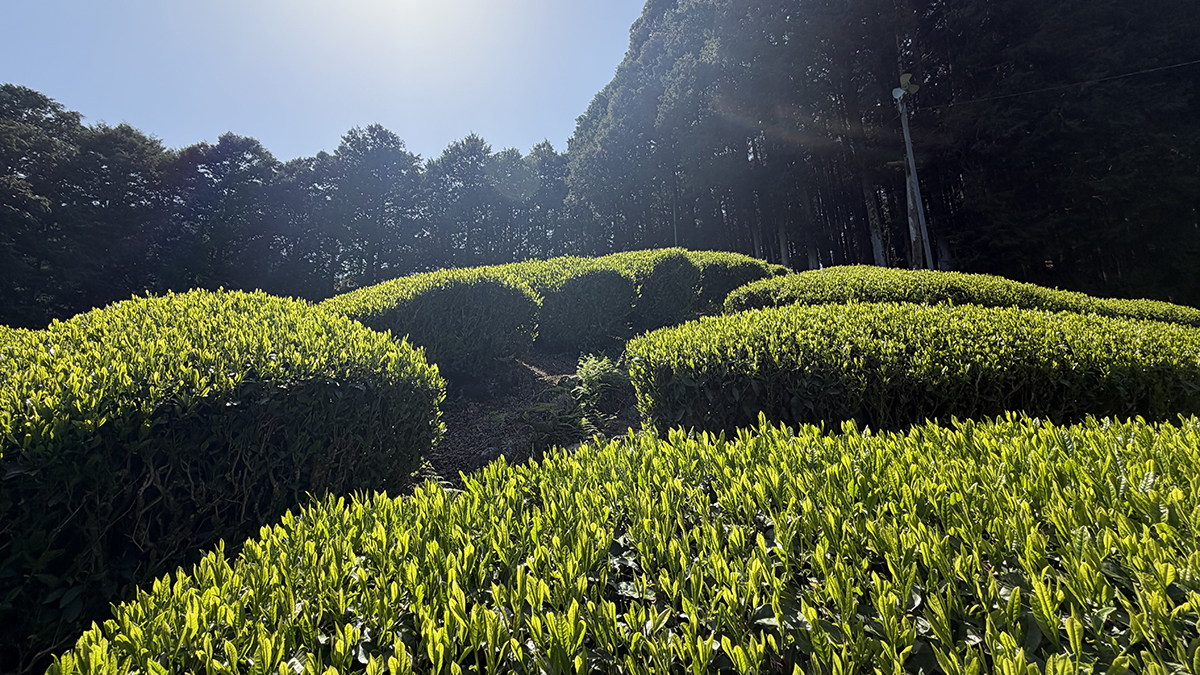
The first hint of spring from Shizuoka, Japan. A tea we brought back from our spring trip to Japan this year. This tea comes from a small farm, located in the picturesque mountainous landscape of the upper Abe River valley, north of Shizuoka.
The Tsuyuhikari cultivar is one of the modern Japanese tea plants that have gained attention in recent years for their early harvest and distinctive aromatic profile. It was registered in 2003 and was created by crossing the Asatsuyu cultivar, known for its richness and umami, with the Shizu 7132 line from Shizuoka, which provided better agronomic characteristics and production stability. The result is a balanced cultivar that combines rich flavor with practicality in cultivation.
How to brew Shincha
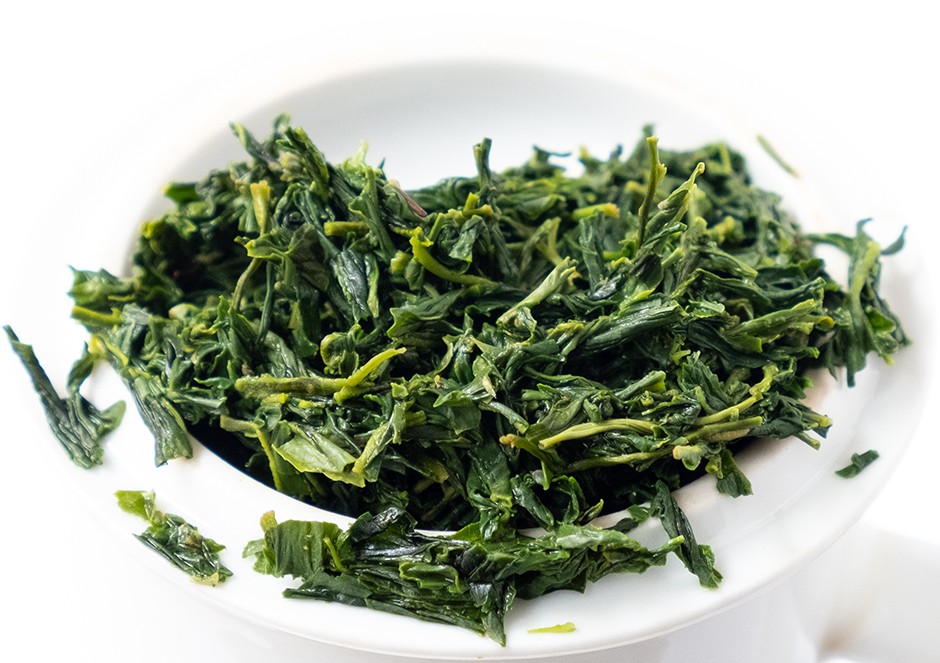
Use 5 grams of tea leaves for 0.5 litre of boiling water cooled to 65-70 °C, steep for 60 seconds. Infuse the second infusion for 30 seconds and the third for 60 seconds. Feel free to experiment with steeping time, water temperature, and the amount of tea leaves. You can also read our articles on tea preparation and water quality. These tea leaves are also suitable for Asian-style preparation, which includes multiple infusions: you steep 5 grams of tea leaves per 150 ml of water that has boiled and cooled to 55–60 ᵒC for 20 seconds, and in the following three infusions, you steep the leaves for 30, 40, and 50 seconds, respectively. You can also try steeping the leaves in lukewarm water at 37 ᵒC for 7 minutes, or in slowly melting ice.
Tsuyuhikari Cultivar
Under Shizuoka’s growing conditions, Tsuyuhikari sprouts several days earlier than the standard Yabukita variety, making it one of the early cultivars used for the first spring harvests. It is particularly in warmer regions, such as Makinohara or the coastal areas around Omaezaki, that it is often used to produce some of the season’s first shincha. It is not extremely early, but its timing is favorable enough to make it a practical choice for producers who want to combine harvest timing with quality.
In terms of flavor, it bears a distinct resemblance to its “parent,” Asatsuyu. The infusion is full-bodied and rounded, with a pleasantly developed umami and a subtle sweetness that does not feel heavy. Compared to Yabukita, it tends to be less astringent and gives a softer, more approachable impression. Alongside this, there is a light floral to fresh green aroma that lends the tea liveliness and elegance. With deeper steeping, these characteristics become even more pronounced, and the infusion gains a richer color and fuller body.
Tsuyuhikari is most commonly processed as sencha, but it responds particularly well to the fukamushi style, where its color and depth of flavor truly shine. Thanks to its combination of early harvest, aromatic profile, and reliable yield, it has established a firm foothold not only in Shizuoka but also in other tea-growing regions of Japan. It serves as a bridge between the classic Yabukita and distinctly aromatic cultivars—offering more character without losing balance.
Shincha = new tea
In Japan, tea is first picked and processed into the Aracha "crude" tea, which still contains all stems and leaves. Water content, though, is already reduced to 7 – 8%. Subsequently, teas from various varieties of tea plants are tasted and divided by liquor colour and taste. Shincha is then produced directly from a mixture of selected teas, the remaining Aracha is stored in cooling boxes. During final processing, teas are steamed again and the resulting moisture is about 3%.
Tea-growing regions produce various kinds of this tea depending on its processing method. Shincha is the only type that is made directly from fresh harvests. Other types of tea are made from Aracha, that is stored during the years in cooling containers.
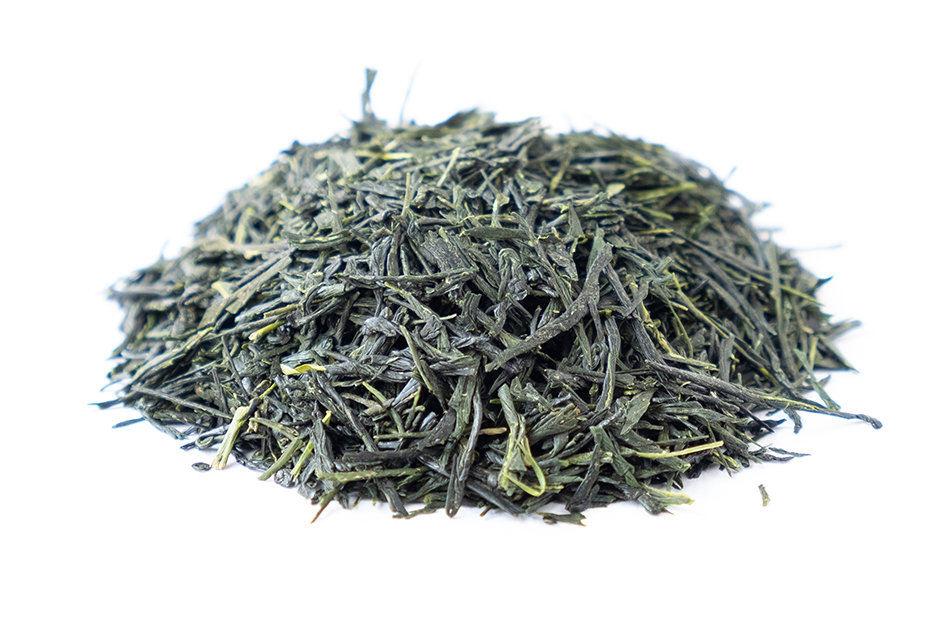
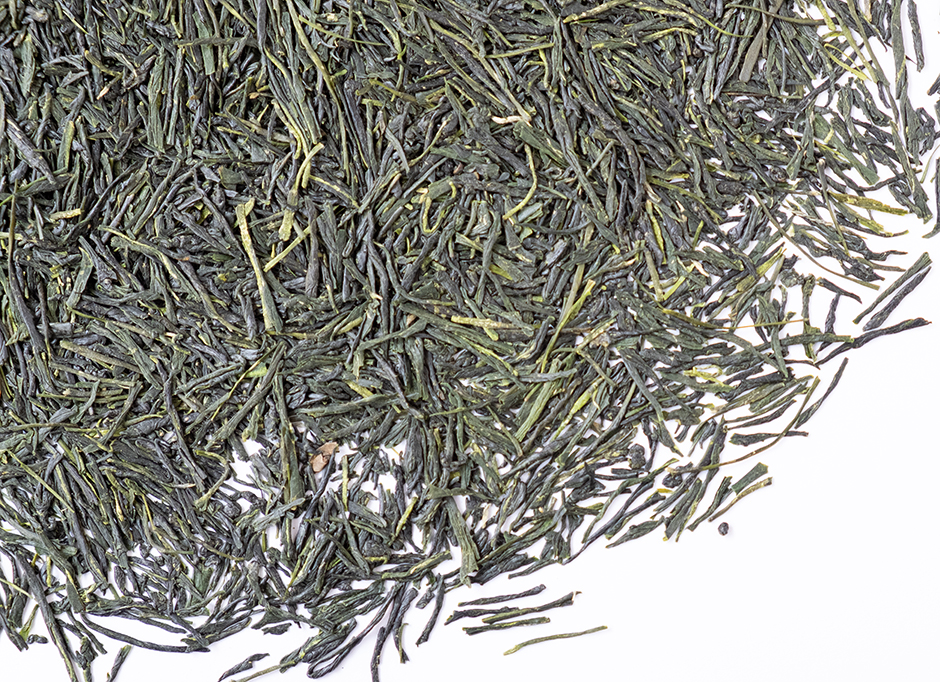
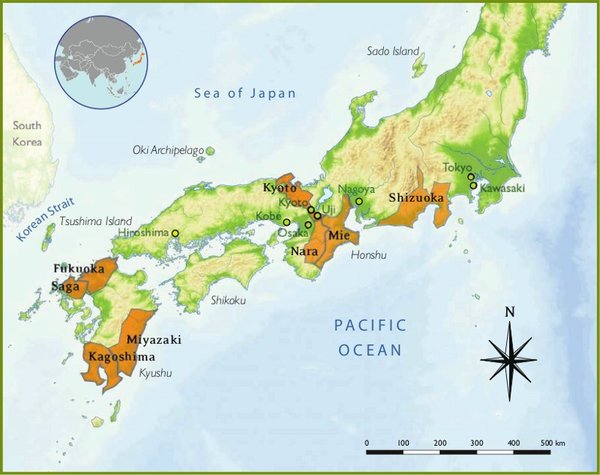
Shincha with needle-shaped leaves is especially known from the Shizuoka region, Shincha with leaves shaped as small lines comes from the Kyushu Island.
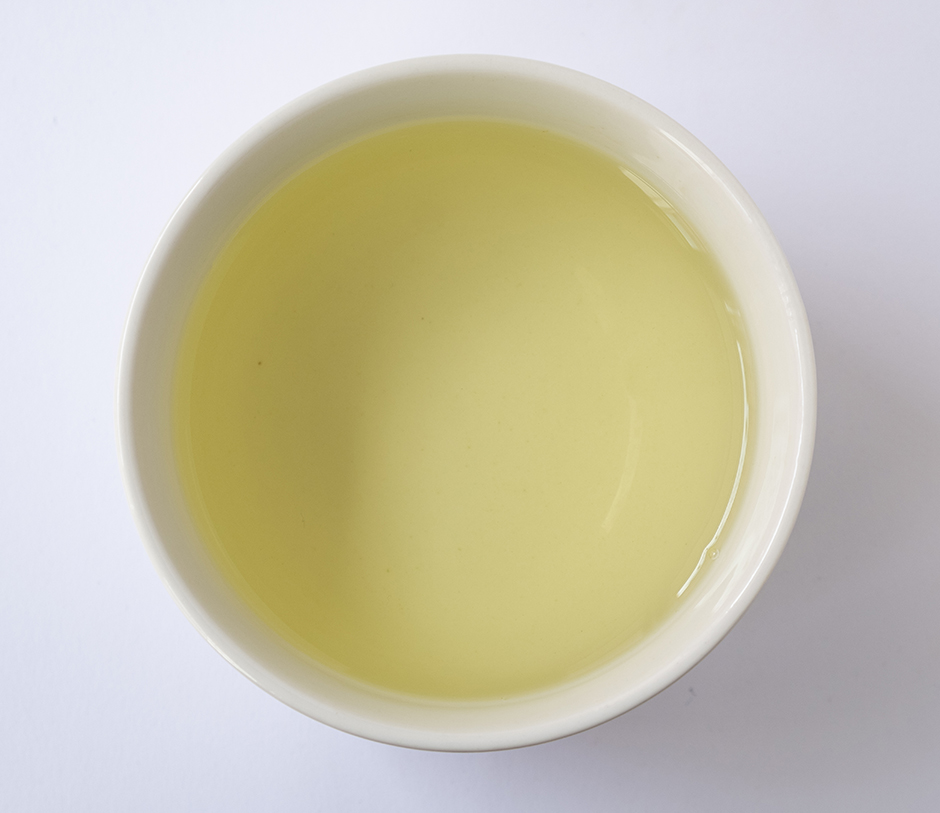
Our Shincha is from the Kagoshima area in southern Japan (Kyushu Island). Its processing includes a typical phase of "deep steaming". This method gives it a sweet, slightly astringent taste, notably "spring" aroma and liquor of bright emerald colour.
Form: Whole leaf Green Tea
Area: Japan
Harvest: Spring Season
Year: 2026
Country of origin: Japan